In 2026, excellent web design is equal parts craft, speed, and intelligence. For Las Vegas businesses competing online, the brands winning attention aren’t just visually impressive; they’re fast, accessible, conversion-focused, and built with scalable systems.
From AI-assisted web design to modular layouts, micro-interactions, and immersive 3D experiences, modern websites are evolving into high-performance digital assets. For companies investing in professional web design in Las Vegas, these trends aren’t optional anymore but rather competitive advantages.
Key Takeaways
- AI-assisted web design is shifting from idea generation to real-time optimization (layouts, accessibility, personalization, and testing).
- Modular website layouts allow Las Vegas companies to scale landing pages, campaigns, and content without rebuilding entire sites.
- Kinetic typography is becoming a brand signal when paired with performance-first development.
- Micro-interactions improve UX, trust, and conversions—critical for local SEO and lead generation.
- 3D and WebXR experiences are now practical for select industries like real estate, hospitality, and eCommerce.
- Accessibility (WCAG 2.2) is now a baseline requirement for modern web design and SEO.
- Website performance and speed directly impact rankings, engagement, and conversions.
1)AI Is Becoming a Design Partner, Not a Shortcut
A few years ago, AI in web design felt experimental. In 2026, it’s simply part of the process.It’s helping design teams make smarter decisions, faster, without stripping away creativity or intent. Instead of guessing what might work, teams are using AI to analyze real engagement signals, surface accessibility issues early, and test ideas quickly without bloating development cycles.
When AI is used well, it stays in the background, supporting human judgment rather than replacing it.
Here’s how brands are getting real value from AI-assisted design:
- Generating multiple design directions quickly, then curating the strongest ideas into a human-led system
- Automatically checking contrast, hierarchy, and responsiveness before development begins
- Personalizing key modules (hero copy, recommendations, CTAs) based on intent without making the experience feel invasive
Pro tip: AI should accelerate iteration, not replace strategy. The best AI-assisted websites still feel intentional, branded, and emotionally specific.

2) Modular Layouts
One of the most practical web design trends of 2026 isn’t flashy at all and that’s exactly why it works. Modular design shifts the focus from building individual pages to creating flexible systems made of reusable blocks, templates, and components.
This approach makes websites easier to grow, easier to maintain, and far easier to optimize over time.
What modular design unlocks for teams:
- Faster campaign launches by swapping components instead of rebuilding layouts
- Cleaner design consistency across pages, teams, and regions
- Easier CRO testing to optimize one module, then roll it out everywhere
You’ll see this trend show up in familiar but refined patterns, including:
- “Bento box” grid layouts that organize content naturally
- Sticky CTAs paired with contextual side panels
- Modular storytelling sections that guide users from problem to proof to payoff
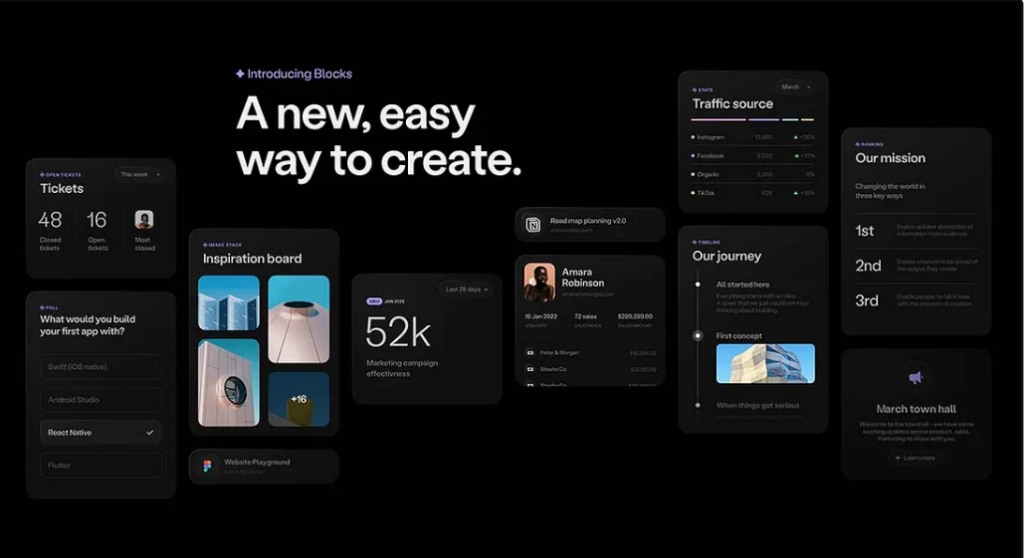
Image : Chronical Bento Box
3) Kinetic Typography: Type That Moves With Meaning
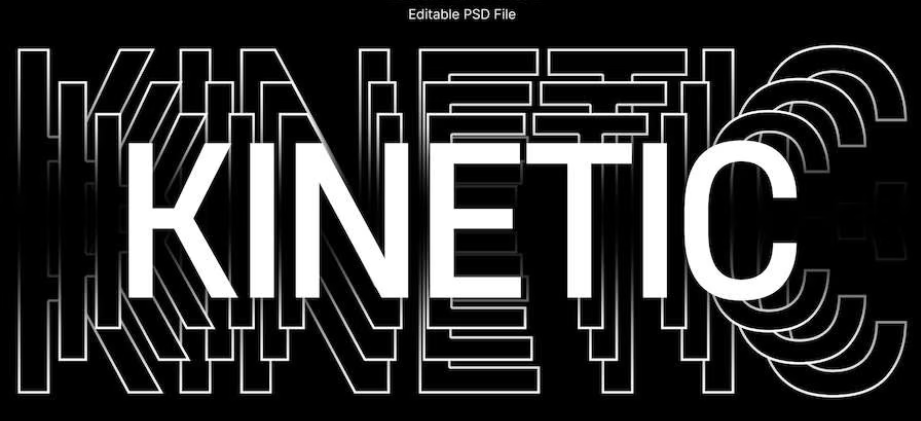
In 2026, typography does more than sit quietly on the page. With variable fonts and subtle motion, type is becoming an active part of storytelling, guiding attention, reinforcing tone, and adding personality without relying on heavy visuals.
Kinetic typography works best when it’s intentional and restrained.
You’ll see it shine most in:
- Hero sections, where text reveals itself in sync with scroll
- Section transitions using subtle shifts in weight or width
- Product or brand storytelling, where type acts like a narrator
To keep it feeling premium, a few guardrails matter:
- Motion should clarify hierarchy, not compete with it
- Reduced-motion preferences should always be supported
- Performance must stay tight over-animating large text layers adds weight fast
4) Micro-Interactions: The Quiet “Wow” That Improves UX
Micro-interactions are one of the small details that make a big difference in modern web design. They’re the subtle moments like a button changing color when you hover over it, a form field responding as you type, or a progress indicator showing something is happening.
These tiny interactions make a website feel more human, responsive, and trustworthy. You may not consciously notice them when they’re working well, but you definitely feel it when they’re missing.
High-impact micro-interactions to prioritize:
- Buttons that clearly communicate state (loading, success, disabled)
- Form fields with real-time validation and friendly cues
- Scroll-based “you are here” indicators for longer pages
- Product cards that reveal details progressively instead of all at once
When done right, micro-interactions raise perceived quality and reduce friction without adding visual noise.
5) 3D That’s Actually Useful (Not Just Flash)
3D design in 2026 has shifted away from spectacle and toward clarity. Instead of “look what we can do,” the focus is “let’s show this clearly.”
Lightweight 3D elements add depth, understanding, and emotion when they serve a purpose.
Where 3D works best today:
- Product detail storytelling (rotate, zoom, highlight features)
- Brand worlds for launches and campaigns
- Data visualization that’s memorable and intuitive
Used thoughtfully, 3D enhances comprehension without sacrificing performance.
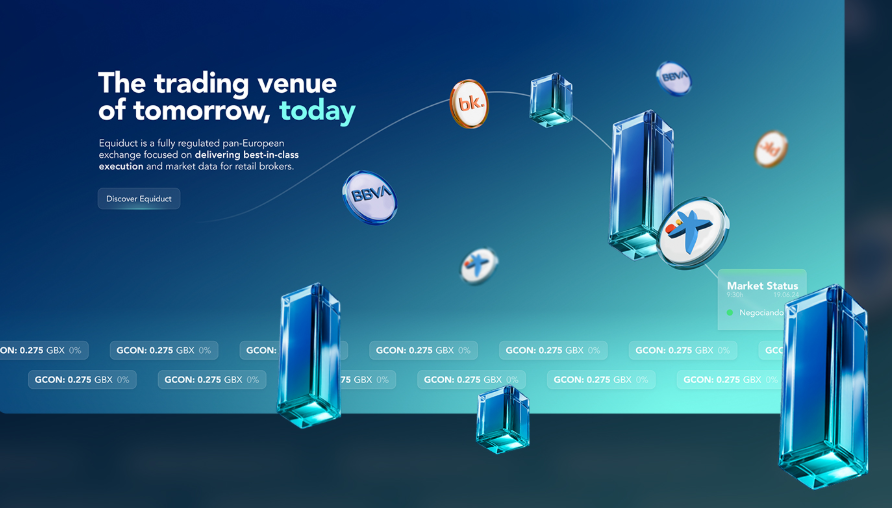
06. WebXR: Bringing Spatial Design to the Browser
WebXR is the technology standard that allows users to access immersive VR (Virtual Reality) and AR (Augmented Reality) content directly via their web browser with no app store download required.
What “High-Impact” WebXR Looks Like for 2026:
- Virtual Explorations: Immersive tours for high-stakes industries like hospitality, luxury real estate, and global tourism.
- Spatial Product Previews: “Try-before-you-buy” functionality that allows users to place 3D products in their physical space.
- Flashship Brand Moments: Interactive, 360-degree storytelling for major marketing campaigns and product launches.
Pro-Tip: Always design a high-quality 2D default experience first. Treat XR as a “power-up” that enhances the journey for users with compatible headsets or devices, rather than a barrier to entry for everyone else.
7) Accessibility as a Design Baseline
In 2026, accessibility has evolved from a final compliance checklist into a foundational pillar of design. Leading brands now integrate WCAG 2.2 standards into their design systems from the very first wireframe.
Core Priorities for Inclusive Design
- Intuitive Navigation: Implementing logical keyboard tab orders and highly visible focus states.
- High-Contrast Typography: Ensuring all text meets legibility standards for users with visual impairments.
- Kinetic Control: Providing “Reduced Motion” settings to accommodate users with vestibular disorders or motion sensitivity.
- Transparent Feedback: Eliminating “mystery failures” through clear, descriptive form validation and error handling.
The Design Philosophy: Inclusive design doesn’t restrict creativity; it forces it to be more intentional, resulting in a cleaner and more usable product for everyone.
8) Performance-First Aesthetics
The web is visually richer than ever, but the best sites in 2026 still load fast. Performance-first design means making deliberate tradeoffs that favor clarity and speed.
That often looks like:
- Choosing impactful, minimal motion over constant animation
- Compressing and loading media intelligently
- Using 3D only when it adds real value
That balance feel, function, and speed is where modern web craftsmanship lives.
Final Words
Conclusion: The Era of Purposeful Innovation
In 2026, the most successful web designs aren’t defined by their aesthetics alone, but by their operational intelligence. The shift is clear:
- Efficiency: AI-assisted workflows are turning weeks of iteration into hours.
- Scalability: Modular layouts ensure content stays fluid across an ever-growing ecosystem of devices.
- Expression: Kinetic typography and micro-interactions are the new “voice” of a brand, adding layers of meaning to every click.
- Immersion: 3D and WebXR have moved past the “gimmick” phase, becoming essential tools for high-utility storytelling.
The Winning Formula
The brands that will lead the next era of the web won’t chase novelty for its own sake. They will win by balancing the “Wow” factor with the three pillars of modern digital excellence: Clarity, Accessibility, and Performance.
Ready for a 2026-ready website?
Starfire Web Design helps Las Vegas businesses build fast, modern, and conversion-focused websites designed to scale. Let’s talk about what your site needs next.
👉 Schedule a Free Consultation
FAQs:
What are the top web design trends in 2026?
AI-assisted design, modular layouts, kinetic typography, micro-interactions, accessibility-first UX, and performance-driven aesthetics are leading the way.
Is AI replacing web designers in 2026?
No. AI works best as an assistant that speeds up iteration, testing, and optimization. Strong strategy, taste, and brand storytelling still require human leadership.
What is a modular layout in web design?
It’s a system-based approach that uses reusable components instead of rigid page designs, making websites easier to scale and optimize.
What is kinetic typography, and when should I use it?
Kinetic typography uses motion to enhance meaning and hierarchy. It works best in heroes, transitions, and storytelling moments when used with restraint.
What is a micro-interactions in UX terms?
Micro interactions are the small, functional animations or design elements that happen in response to a specific user action. While they may seem like minor details, they are the “connective tissue” of an interface that makes a digital product feel alive and responsive.
What is WebXR and why does it matter?
WebXR enables immersive VR and AR experiences directly in the browser, making spatial design more accessible than ever.How do I keep motion-heavy websites accessible?
Support reduced-motion preferences, prioritize clarity over spectacle, and always test performance and usability across devices.