In 2026, consumer behavior is accelerating toward friction-free, values-aligned, and hyper-personalized experiences. Expectations for speed, ease, and transparency continue to rise, while shoppers scrutinize subscriptions, reward authentic sustainability, and increasingly discover and purchase through social platforms.
At the same time, AI is reshaping how brands predict intent and deliver relevance, and Gen Alpha, the first generation born fully into a digital, creator-led world, is beginning to influence purchasing decisions at scale.
To stay competitive in 2026 and beyond, brands must combine AI-driven personalization, responsible data practices, and experience-led commerce, while designing for trust, flexibility, and long-term loyalty.
Key Takeaways
- Treat social as a storefront, not just a marketing channel
- Deploy predictive, privacy-safe personalization across touch points
- Redesign subscriptions around choice, transparency, and fairness
- Make sustainability claims visible and verifiable at decision points
- Build Gen Alpha programs now, with safety and parents in mind
- Apply neuromarketing insights ethically to improve attention and recall
2026 Trends in Consumer Behavior
1) Social Commerce Becomes a Core Revenue Channel
Social platforms are no longer just discovery engines. They are full-fledged shopping destinations. Shoppable feeds, live shopping, and creator storefronts have moved from nice-to-have features to table stakes.
As consumers grow more comfortable purchasing without leaving social apps, brands that treat social media purely as an awareness channel are leaving significant revenue on the table. Creator trust, real-time interaction, and native checkout dramatically reduce friction and accelerate conversion.
What brands should do:
- Build creator-led product bundles with native checkout
- Establish live shopping cadences around launches and seasonal drops
- Create post-purchase loops, including UGC prompts, reviews, and social-only perks
2) AI-Driven Personalization at Scale
In 2026, personalization is less about knowing everything and more about delivering the right experience at the right moment.Consumers expect relevance but not creepiness.
Leading brands are using AI to predict intent, tailor content and offers, optimize merchandising, and streamline operations. Speed, reliability, seamless fulfillment, and easy returns are now baseline expectations rather than differentiators.
However, trust remains fragile. Personalization must be paired with transparency and user control.
What brands should do:
- Group customers by signals like how likely they are to buy, whether they might churn, and which categories interest them most.
- Use dynamic on-site content and next-best-offer messaging across email and SMS.
- Make it easy for customers to control what they receive, how often they hear from you, and how their data is used.
3) Subscription Fatigue Shifts Demand Toward Flexible Value
Subscription fatigue is real. Consumers are increasingly pruning recurring expenses, yet flexibility has emerged as a powerful retention lever. When canceling, pausing, or adjusting a subscription is easy, consumers are more willing to subscribe and more likely to stay.
Instead of lock-in, consumers want fairness, control, and visible value.
What brands should do:
- Offer one-click cancellation and simple pause options
- Introduce usage-based pricing or annual-and-save plans
- Communicate monthly value delivered through savings summaries, usage highlights, or exclusive benefits
- Trigger win-back journeys based on pause or cancel reasons
4) Eco-Conscious Buying Remains Mainstream
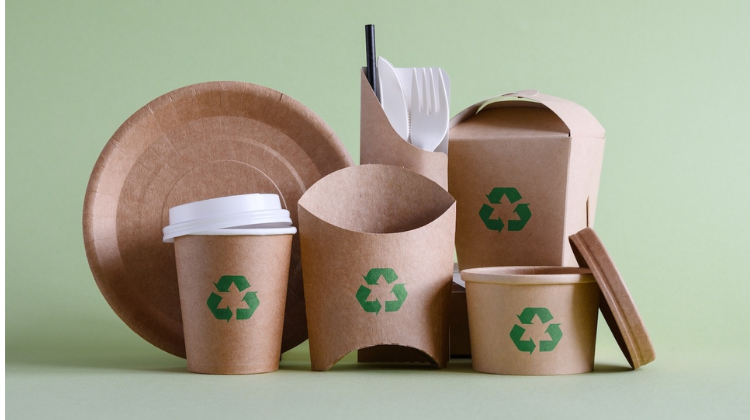
Despite inflation and economic uncertainty, sustainability continues to influence purchasing decisions. Many consumers are still willing to pay more for sustainable products, but only when claims are credible and easy to verify.
Generic green messaging no longer works. Shoppers want proof at the moment of decision.
What brands should do:
- Surface sustainability details directly on product pages and in cart
- Highlight packaging materials, sourcing, and emissions where relevant
- Offer refurbish, resale, or circular programs
- Publish supplier standards and traceability highlights to build trust
5) Gen Alpha Emerges as an Influence Engine
Born in 2010 or later, Gen Alpha is beginning to shape household purchasing decisions and brand preferences. This generation is heavily influenced by friends, creators, and short-form video, with discovery happening primarily through social and community-driven platforms.
Brands that wait until Gen Alpha has full purchasing power may be too late.
What brands should do:
- Launch creator micro-drops and co-creation initiatives
- Design safe, privacy-first experiences with parental controls
- Experiment with gamified sampling, AR experiences, and digital rewards
- Prioritize video-first, mobile-native storytelling

6) Experience-Led Commerce Takes Center Stage
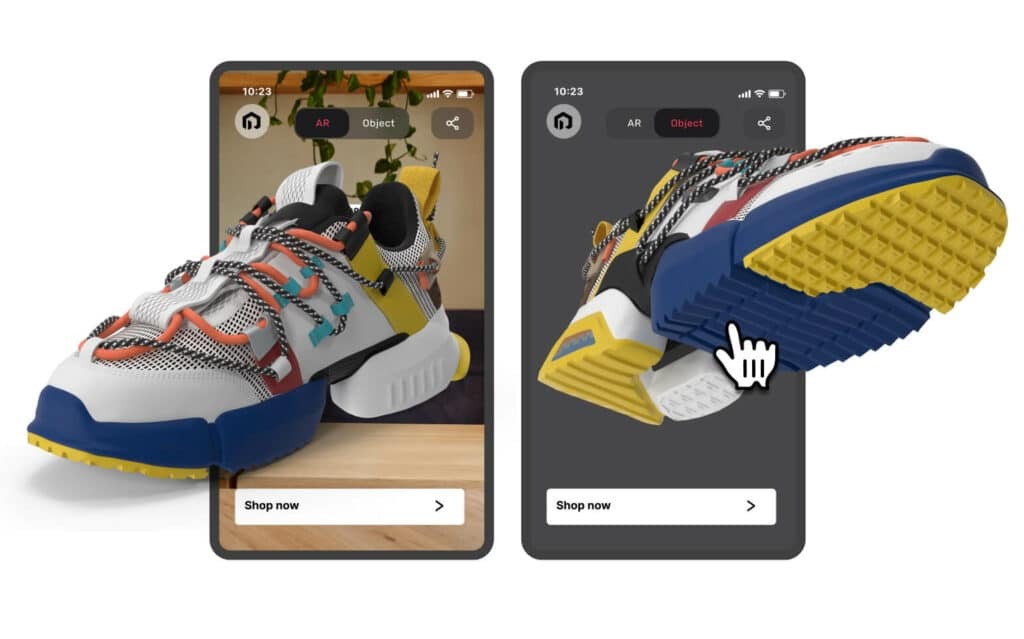
In 2026, experience is a competitive advantage. AR try-ons, 3D product visualization, and mixed-reality experiences reduce uncertainty and increase confidence, particularly for high-consideration purchases.
At the same time, AI-powered service bots are expected to actually solve problems rather than deflect them.
What brands should do:
- Add AR try-on or view-in-your-space tools to top SKUs
- Deploy customer-facing AI assistants trained on real policies and returns
- Measure success using resolution rate and customer satisfaction, not just handle time
Neuromarketing: What the Brain Says About Buying in 2026
Advances in neuromarketing research continue to highlight three key drivers of conversion: attention, emotional response, and memory encoding. In practical terms, experiences that reduce cognitive load, spotlight a single compelling benefit, and trigger positive emotional arousal are more likely to convert and be remembered.
When applied ethically, neuromarketing insights can significantly improve creative effectiveness.
How to apply neuromarketing principles responsibly:
- Use motion and micro-interactions to capture attention, then focus on one core value proposition
- Develop distinctive brand assets such as shapes, colors, or audio cues to aid recall
- Pre-test creative using A/B testing and implicit attention metrics
- Minimize sensitive data capture and document clear standards for transparency and accountability
Final Thoughts
The brands that win in 2026 will be those that minimize friction, maximize relevance, and prove their values at every touch point.
Success will come from integrating social storefronts, AI-powered personalization, flexible subscriptions, credible sustainability, and experience-led design, while respecting privacy and building trust across generations.
Layer neuromarketing-informed creative decisions on top of ethical data practices, and you will create experiences that are not only memorable, but profitable, today and for the next generation of consumers.
If you are exploring how these consumer behavior trends could impact your digital strategy in 2026, Starfire Web Design can help you turn insight into action. We partner with businesses to design websites and experiences that convert, scale, and stay relevant as expectations evolve.
Frequently Asked Questions
What are the biggest consumer behavior shifts in 2026?
Consumers demand faster, more personalized, and more transparent experiences, with social commerce and values-driven buying leading the shift.
Is subscription fatigue permanent?
Not entirely. Subscription fatigue pushes brands toward flexibility, clearer value communication, and consumer control rather than abandonment.
How should brands market to Gen Alpha responsibly?
By prioritizing safety, privacy, parental involvement, and creator-led, video-first experiences.
Do consumers still pay more for sustainability?
Yes, when sustainability claims are credible, visible, and backed by proof.
Where should brands start with AI personalization?
Start with predictive segmentation and clear consent frameworks, then scale relevance across channels.
